After joining NTD’s Capitol Report to discuss the Hegseth impeachment, here are the points I didn’t get to make on air about accountability, the Constitution, and what real leadership requires.
Is impeaching Pete Hegseth a threat to national security? Or is holding him accountable essential to protecting it?
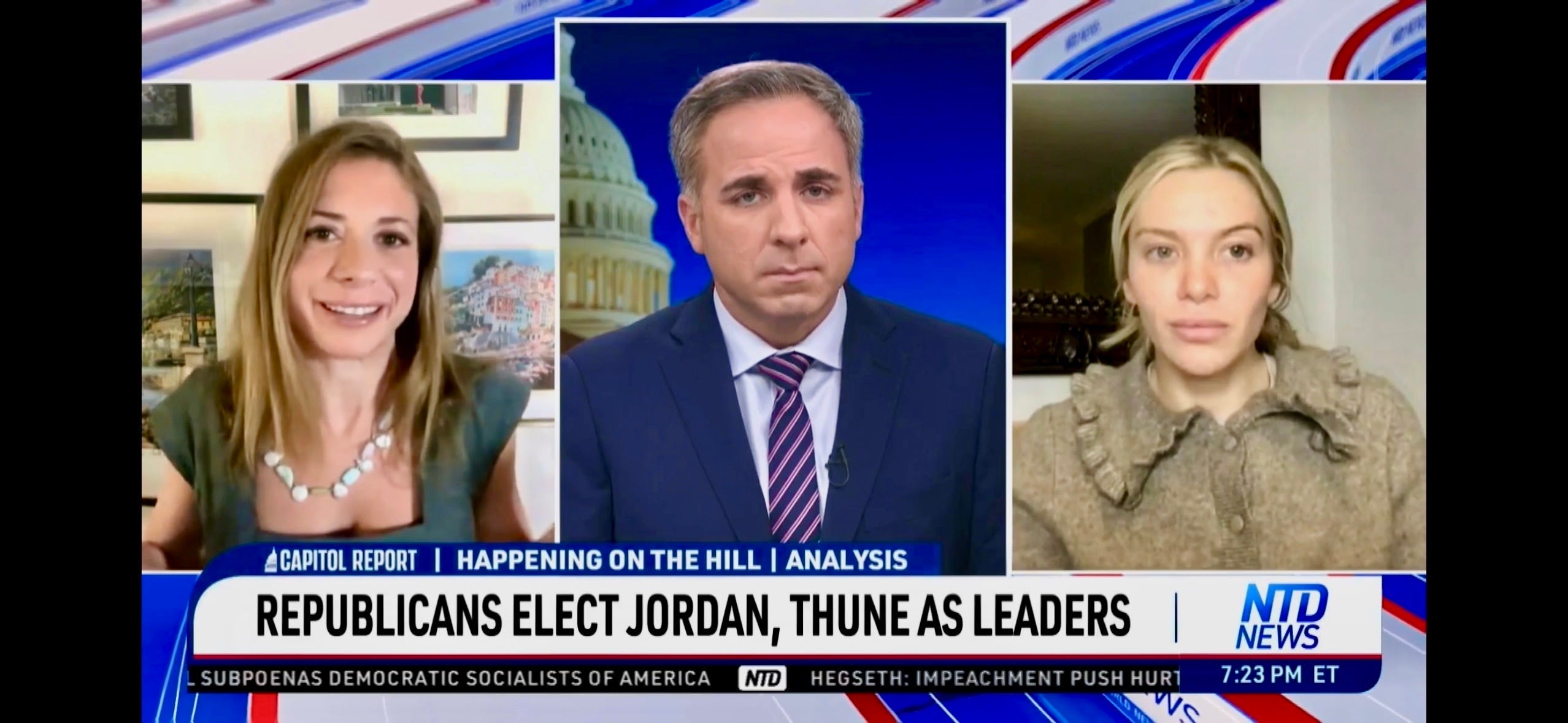
I joined NTD’s Capitol Report on November 10 to discuss this question, and there were several points I didn’t get to make on air.
When you actually read the eight articles of impeachment introduced by Republican Congressman Thomas Massie, there’s a common thread: the constitutional safeguards designed to protect American democracy, prevent unnecessary wars, and keep our military accountable.
Consider the allegations:
1. Suppressing free speech and dissent. Hegseth allegedly retaliated against Senator Mark Kelly, a retired Navy captain, for reminding service members that they can refuse unlawful orders. If veterans and service members fear retaliation for speaking out about potentially unlawful conduct, what happens to accountability? And what message does that send to Americans considering military service?
2. Weakening protections for civilians. The impeachment articles allege that Hegseth dismantled safeguards designed to prevent civilian casualties, contributing to the devastating strike on a girls’ school in Iran. Beyond the horrific loss of innocent lives, civilian casualties can fuel radicalization, undermine American credibility, and create new security threats.
3. Continuing military operations without congressional authorization. Three articles address the war in Iran, including allegations that hostilities continued beyond the limits established by the War Powers Resolution. Congress has constitutional responsibilities over war for a reason. Without meaningful oversight, military engagements can escalate without the consent of the American people’s elected representatives.
4. Killing suspected drug traffickers at sea. The articles challenge military strikes against people suspected of criminal activity without judicial process. Beyond the serious legal questions, killing foreign nationals without establishing a lawful basis for military force risks diplomatic crises, retaliation, and escalation into broader conflicts.
5. Military operations in Venezuela and Yemen. The remaining articles raise similar questions about the use of military force, congressional authorization, and the risk of drawing the United States into additional conflicts.
These are allegations, not judicial findings, and Hegseth disputes them. But the national security implications deserve serious scrutiny.
National security isn’t just about military strength. It’s about preventing unnecessary wars, protecting American lives, upholding the rule of law, and maintaining the institutions that make our democracy resilient.
The Founders established three branches of government because they understood the enormous risks of concentrating power in the hands of a few individuals.
Congressional oversight, freedom of speech, civilian protections, and constitutional checks on military power aren’t obstacles to national security.
They’re essential to it.
And that’s why I believe Massie’s impeachment effort should be understood as an attempt to protect national security, not undermine it.
And here’s another question worth asking: If Congress won’t even fully debate allegations about the unlawful use of military force, how effectively is it exercising its constitutional responsibility to oversee the executive branch?
On November 10, the House voted 211–204 to refer the impeachment resolution to the Judiciary Committee rather than hold a direct vote on impeachment.
The allegations deserve scrutiny. The American people deserve transparency. And Congress has a responsibility to exercise its constitutional authority.
What do you think? Is congressional oversight of military decisions a national security necessity?
📺 Originally aired on NTD’s Capitol Report, November 10, 2026.
#NationalSecurity #PeteHegseth #Impeachment #Congress #Democracy #ForeignPolicy #Constitution #Samanthropolitics
Watch here:
This article was originally published on Samantha Politics: The Empowered Global Leader.